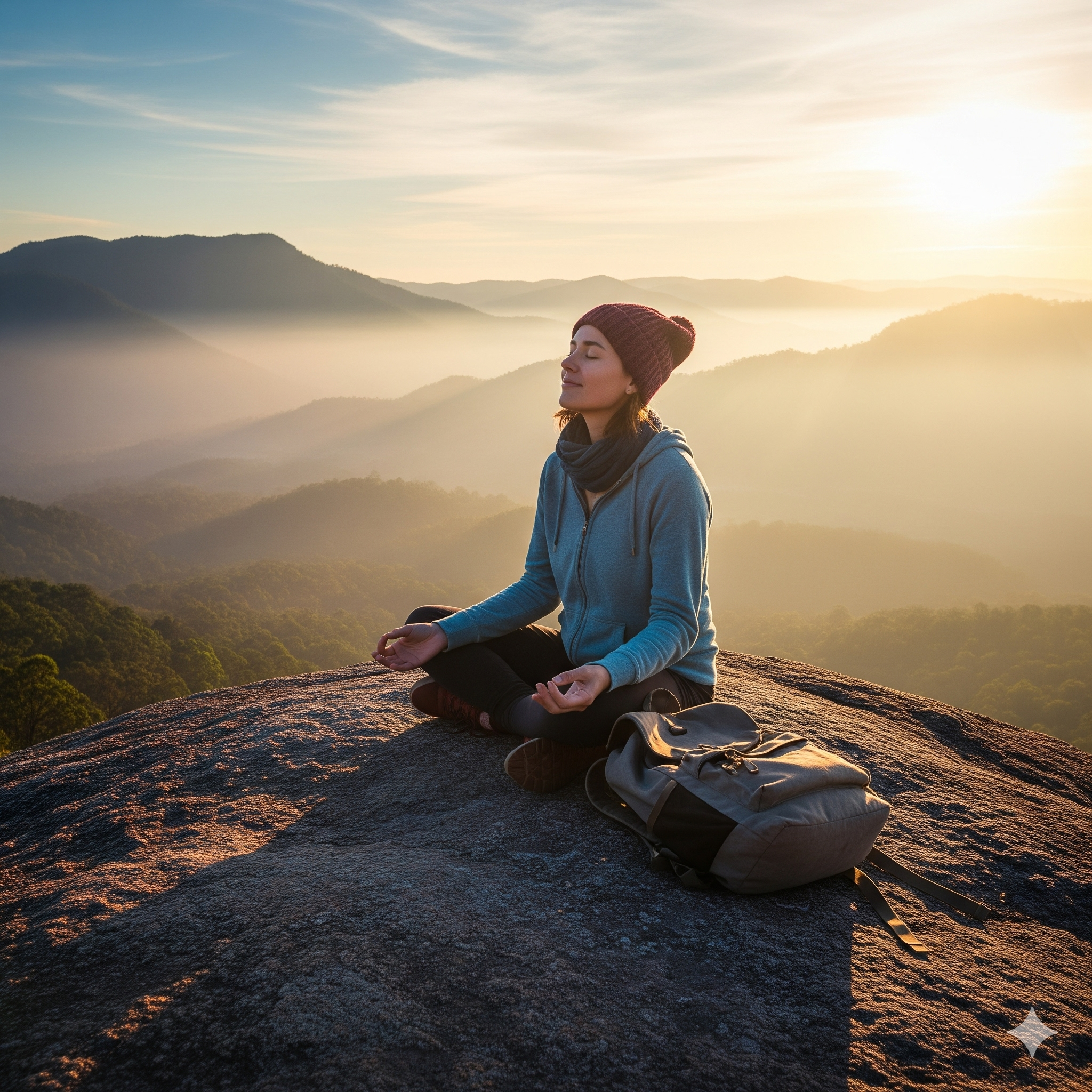
Introduction: You're Here. Now, Truly Arrive.
You've done it. You’ve navigated the meticulous planning, the mindful packing, and the long hours of transit. You have physically arrived at your destination. But the most important part of your journey is just beginning: the journey inward. So often, we travel with our bodies in one place and our minds in another—worrying about the future, ruminating on the past, or distracted by the digital world in our pocket. A solo wellness trip invites a different approach. Its ultimate goal is not just to see new places, but to be in them, fully and completely. Mindfulness is the bridge that transforms you from a mere tourist ticking off a checklist into a true traveler, one who experiences the depth and texture of each moment. This guide is about the art of arrival—not just at a place on a map, but in the present moment, over and over again. These practices will become your most valuable travel companions, allowing you to find peace amidst chaos, joy in simplicity, and a profound connection to the world and yourself.
Beyond the Itinerary: The Foundational Mindset of Mindful Travel
Presence is a state of being. Cultivating it begins with shifting your core attitude toward your journey.
Releasing the Tyranny of Expectations
We often arrive at a destination with a suitcase full of preconceived notions and picture-perfect expectations gleaned from Instagram. This is a recipe for disappointment. The reality of a place—its weather, its crowds, its unique quirks—will never perfectly match the fantasy in our heads. Mindful travel asks you to gently release these expectations. Instead of judging a place for what it isn't, approach it with curiosity for what it is. This single shift opens you up to the beauty of the authentic, imperfect present moment.
Cultivating a "Beginner's Mind"
"Beginner's mind," a concept from Zen Buddhism, is the practice of seeing everything as if for the first time. As travelers, we have a unique opportunity to do this literally. Drop your assumptions. Look at a flower, a building, or a plate of food with the wide-eyed wonder of a child. Listen to the sounds of a busy street without immediately labeling them as "noise." This practice strips away the jaded filter of experience and allows for genuine awe and discovery in the simplest of things.
Embracing "Wasted" Time and Imperfection
Some of the most magical travel moments are born from unplanned detours. Getting lost down a charming alleyway, seeking shelter from a sudden rainstorm in a tiny cafe, or having a long, quiet wait for a delayed train—these are not interruptions to your journey; they are the journey. A mindful traveler sees these moments not as "wasted time," but as invitations to pause, observe, and just be. Imperfection is where authenticity lives.
A Toolkit for Presence: Practical Mindfulness Exercises for the Road
These are simple, powerful techniques you can use anywhere, anytime, to ground yourself in the here and now.
The Five Senses Check-In (The 5-4-3-2-1 Method)
This is a potent antidote to an overwhelmed or wandering mind. Wherever you are—a bustling market, a quiet temple, a scenic viewpoint—pause and silently name:
- 5 things you can see: Notice colors, shapes, and details you might have otherwise missed.
- 4 things you can physically feel: The sun on your skin, the texture of the bench beneath you, the breeze in your hair, the weight of your feet on the ground.
- 3 things you can hear: Listen beyond the obvious. Can you hear distant birdsong? The hum of a refrigerator? The specific rhythm of a foreign language?
- 2 things you can smell: The aroma of street food, the scent of rain on pavement, the faint smell of incense.
- 1 thing you can taste: The lingering flavor of your morning coffee, the taste of the air, or simply the sensation of your own breath.
This exercise instantly pulls you out of your head and into your direct sensory experience of the world.
Mindful Walking: Every Step a Destination
Transform the simple act of walking into a meditative practice. As you explore, bring your attention to the physical sensations of movement. Feel the contact of your soles with the ground. Notice the subtle shift of weight from one foot to the other. Pay attention to the rhythm of your own pace. You don't need to walk slowly or unnaturally. Simply bring a gentle, non-judgmental awareness to the act of walking. This turns a frantic race from sight to sight into a flowing, calming experience.
The Art of Mindful Eating
On a solo trip, you have the perfect opportunity to truly savor your food without the distraction of conversation. Put your phone away. Before your first bite, take a moment to look at your food. Appreciate the colors and the arrangement. Notice the aroma. When you eat, chew slowly. Try to identify the individual flavors and textures. This not only enhances your enjoyment and aids digestion but also turns every meal into a rich cultural and sensory experience.
Weaving Formal Practice into Your Travel Rhythm
While informal practices are key, anchoring your day with brief moments of formal meditation or reflection can create a stable container for your wellness journey.
The Morning Anchor (Before the Phone)
Before you reach for your phone and let the world's demands rush in, give the first 5-10 minutes of your day to yourself. Sit up in bed or by a window and simply focus on your breath. Notice the sensation of the air entering and leaving your body. You don't need to stop your thoughts; just observe them without getting carried away. This simple act sets a tone of calm and intention for the entire day.
The Evening Reflection & Gratitude Practice
At the end of the day, take a few minutes to journal. Instead of just listing what you did, reflect on what you experienced.
- What was one unexpected moment of beauty or joy today?
- What challenged me, and what did I learn from it?
- Name three specific things from the day you are grateful for.
This practice helps you integrate the day's lessons and cultivates a mindset of appreciation.
Using "Found Time" for Practice
Travel is full of waiting. Instead of seeing this as an annoyance, view it as a gift of time for your practice. That 30-minute train delay, the long queue for a museum, the flight itself—these are all opportunities to close your eyes, focus on your breath, and come back to your center.
Navigating Your Inner Landscape: Mindfully Managing Emotions
A solo trip is an emotional amplifier. Mindfulness is your tool for navigating the inevitable highs and lows with grace.
Befriending Loneliness
Moments of loneliness are a normal and almost inevitable part of solo travel. When the feeling arises, the typical reaction is to panic and seek distraction. A mindful approach invites you to do the opposite. Pause. Acknowledge the feeling without judgment: "Ah, this is loneliness." Get curious about it. Where do you feel it in your body? What thoughts are associated with it? By observing it with gentle curiosity instead of resisting it, you rob it of its power. You realize it's just a temporary weather pattern in the sky of your awareness, and it will pass.
Differentiating Loneliness from Solitude
While loneliness is a feeling of lack, solitude is a feeling of rich fullness. It's the joy of your own company. Use mindfulness to actively cultivate solitude. When you're enjoying a meal alone or watching a sunset, consciously acknowledge the peace and freedom of the moment. Savor it. The more you practice this, the more you will come to cherish your time alone as a gift, not a burden.
Conclusion: The Souvenir of Presence
The true transformation in a solo wellness journey doesn't happen when you're posing for a photo at a famous landmark. It happens in the quiet moments in between—the mindful sip of tea, the feeling of the sun on your face, the courageous act of sitting with a difficult emotion. The skills of mindfulness you practice on the road are the most precious souvenirs you will bring home. You learn that the destination was never just a place on a map; it was, and always is, the present moment. And you are, finally, fully here for it.